29 AUGUST 2021
One week in August I found myself waking up almost daily with a racing heart at 3am. I would bolt awake, heart racing, thoughts whirling, my head filled with apocalyptic possibilities.
After many days of this, I got up one sleepless morning, opened my laptop and destroyed my access to the news.
“Destroy” may be an overdramatic way of describing what I did, but it truly felt like it. A “nuke” option after months of failing to manage a healthier information diet. It was an admission of defeat.
Watching the news was slowly destroying my mental health and I couldn’t outwit the clickbaits or algorithms. I had to build a Great Wall against a horde that cannot be stopped or reasoned with.
It’s been over a week since I stopped watching the news (either via social media or websites) and I was astounded by how quickly my mood improved. After just a day of my new information diet, I found myself less anxious and angry. After seven days, I started dreaming up new plots for my long-abandoned novel — something I’ve not had the bandwidth to do for the longest time.
Spoiler alert: The 24/7 news cycle is unhealthy
Before I tell you how I finally managed to quit watching the news, let me clarify that the “news” I’m talking about is the quick bites of information that feed the fast-twitch, clickbait 24-hour news cycle. The breaking news updates from the CNNs of the world, the talking heads yelling at each other as they react to a new political/social/disaster of the day.
That news? It is the junk food of information. It’s fueled by speculation, drama and is often unverified. These days, news will be “spiced up” with opinion. It’s pretty obvious with news channels like CNN — the anchor people often inject their own opinions and biases into the news they report.
I’m not, however, avoiding long-form journalism, the expensive form of journalism that takes weeks, sometimes months to produce: Documentaries, investigative pieces, the books that explore a topic in-depth rather than dip into shallow waters.
Also included is the hyper-local news like community newspapers. My township has one and I keep abreast with my town’s happenings through it.
The trigger point
I’ve always been a news junkie. When I used to jet-set around the world, one of my greatest delights would be to buy a physical copy of that city’s newspapers, head to a cafe and read through it slowly with a cup of coffee.
In my early days as a journalist, I preferred to focus on international news. I did not read or watch Malaysia’s political news as much, finding it terribly anxiety-provoking and upsetting.
However, after a few years in the industry, embarrassed that I wasn’t as “caught up” as my colleagues, I began deep diving into it. Later, it became a job necessity. I was a newsroom subeditor — I had to know.
After leaving journalism in 2018, I continued the habit, feeling that it was my responsibility to keep a close eye on the movers and shakers of Malaysian politics. But I didn’t enjoy the process. I sometimes withdrew when it got too much, only to get drawn back again when things heated up.
Like in July and August 2021 when Malaysia plunged into political turmoil yet again.
As politicians blatantly flouted SOPs and filled themselves up with durians, many Malaysians literally starved, fell ill, and died. Yet here they were, scrabbling o secure powerful positions rather than take care of the unfortunate.
The news covered all of this dutifully. Social media was filled with rage, despair, pain at the injustice. On top of the usual COVID-19 fare, I was drowning in the deluge of bad news.
I couldn’t sleep properly. I sometimes teared up over what I read, worried about the future of my country. I started thinking of taking medication to weather the depression.
As a former journalist and information junkie, It has been tough to admit this: The information I was consuming through websites and social media was destroying my mental health. And the only way to save it was to quit the news.
Quitting now felt irresponsible at a time when democracy was at its knees but I was an emotional wreck.
I read books, articles and listened to podcasts, trying to find a way out to “quit responsibly”.
And they all said the same thing: When they stopped watching the news, they became happier, more creative and productive, and were more at peace with the world. And they could still stay informed but at their own pace and choice!
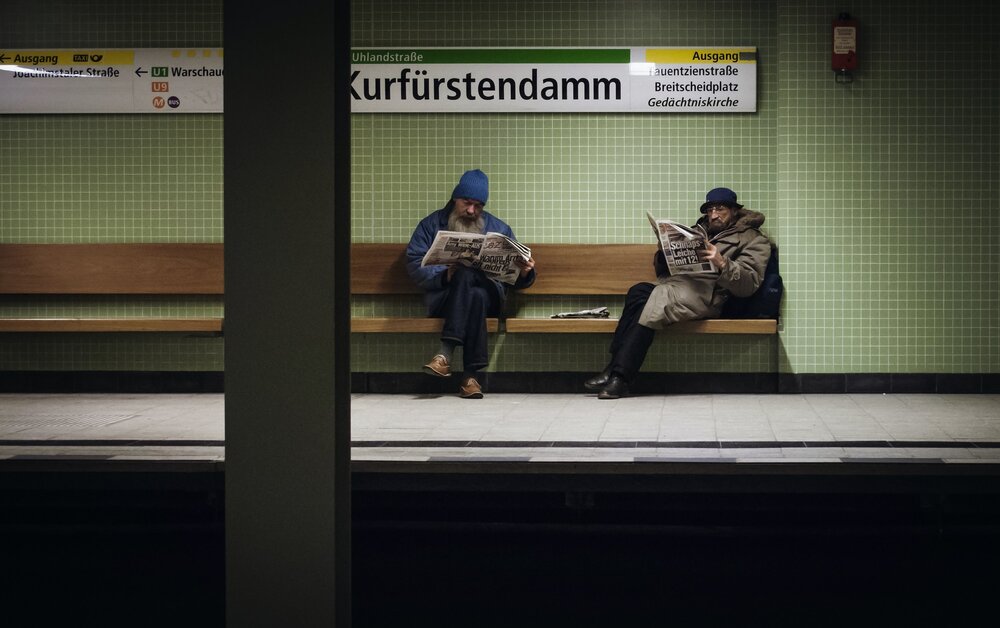
I am now convinced that quitting the fast-twitch clickbait 24-hour news cycle was the right thing to do. Here’s why:
I. You have no control over the events covered by the news
Question: how does knowing every political move help us preserve Malaysia’s democracy? We are spectators who can’t affect any change to the events. It only sparks helplessness and hopelessness.
2. You don’t need constant horse race updates to stay informed
We can exercise our rights by voting, and we don’t need to be updated with hour-by-hour exploits of politicians to make a good decision. We are a Google away from a long-form piece that will bring us up to speed. And believe me, important news will still get to you — through the old fashioned method of person-to-person communication.
3. You are being fed mentally abusive content
The news, especially from Malaysia’s mainstream media, is a conduit where propaganda flows. Only in Malaysia do we get lectured like little kids by all manner of Important People telling us how to think, believe and behave! (I mean, we literally have headlines that say, “Be grateful for what the government is doing”!)
To be blunt, the stories convey gaslighting attempts by VIPS who lie about the current reality and deny our very real viewpoints. Gaslighting has very real psychological impacts.
Reading all this doesn’t make us more informed — it only makes your blood pressure rise as your mind screams, “But that’s not true!”
4. You will be trapped in a cycle of despair and outrage
Malaysians are exposed to negative news daily through the media — even independent ones.
Malaysia is doomed, they scream. The world is in a hopeless place!
When I was plugged in, I was constantly anxious, angry, hopeless and in despair about the future. I bet you my cortisol levels were through the roof and It is one of the reasons why my sleep was being disrupted.
5. Your physical health will be damaged … at a time when you need it most
Sky-high cortisol and adrenaline levels have real physical damage. The constant stress, the lack of sleep, racing heartbeat, high blood pressure … all this will weaken your immune system. During COVID-19 times, you need your immune system to be in the best shape possible.
6. You are being fed gossip and speculation
During the turmoil of July and August, the news portals were filled with talking heads and opinions of analysts. One editor I highly respected wrote an opinion piece about how hopeless she feIt as we were at the mercy of a broken system.
Tell me something I don’t know, I sighed. And that was when I realised the piece held no benefit to me except to convey the author’s hopelessness, despair and message that we are well and truly fucked.
But to what end? That we should give up? Accept this reality? What?
It was not actionable, useful content.
Don’t get me started on the analysts. All of them trying to be Nostradamus as they try to guess the motives and moves of these players. And I have to admit that I read them because they are like the latest conspiracy theories from Whatsapp aunties and uncles — entertaining bits of gossip.
7. You could use the time ruminating on bad news on something more productive
I am pretty sure I have spent hours doomscrolling the last few months. How about you?
Hours that could have been used doing more edifying things such as hanging out with loved ones, learning something useful or uplifting or completing projects.
And if we truly want to help democracy and our fellow man, it’s far more useful to volunteer our time to useful causes instead of acting as an armchair critic, retweeting content and railing on Twitterjaya.
8. The barrage of bad news is eating away at your creativity
All that worry, anger and rumination over things we have no control over takes up brain space. It will rob you of creative, mental energy.
Give yourself a leg up by cutting away things that are eating away at your already limited reserves of creative energy.
How to stop watching the news
Now that we’re clear on the whys, here’s one thing you shouldn’t do when you quit the news: Rely on your willpower and discipline.
The documentary The Social Dilemma highlighted the pervasive influence of algorithms; how they are designed to keep us addicted. News is written in a way to capture your attention and provoke strong emotions. Worse, human beings are biologically wired to gravitate towards negative news because our survival instincts demand it.
The system is working hard to capture your attention. And it’s designed to win.
Don’t fight against this with your limited reserves of willpower. Instead, make the resistance automatic.
Here’s what I did to liberate myself from news addiction:
1. Curate your social media feed
Unfollow people that feed you toxic news and only follow those that give you joy. However, even if you unfollow everyone on Facebook, Facebook will still sneak in posts from people you have unfollowed and there’s no way to control sponsored posts. Sneaky buggers! You can install Social Fixer to manage your newsfeed better.
2. Nuke your newsfeed
The easiest way is to use Newsfeed Eradicator to replace your newsfeed with a quote.
3. Make Twitter Trends indecipherable
Turn your Twitter trends section into a language you can’t read (I chose Korean Hangul!) so that you are not informed about the latest news alarm on Twitter. It has worked beautifully for me.
4. Block access to news sites:
BlockSite is great for this.
5. Mute Whatsapp chats
Especially from groups or people who are sources of bad news. You can still check them, but limit your time.
6. Tell your friends and family
Gently and kindly say that you’d not like to be told of the latest gossip, political move or disaster. And keep on reinforcing it as many will try to test this boundary!
7. Replace with healthier content
If you’re an information junkie like me, cutting off your addictive source of information will be hard. Replace the void with content, preferably long-form content that have depth, that will give you positivity and inspiration. I follow cat and dog videos and now am intent on channeling my energy into studying the Bible and books on slow living and minimalism.
It’s pretty crazy to realise that we have to do all this to get some peace on the Internet!
It goes to show how social media channels and news portals are not designed for our well-being in mind, but to keep us glued to the screens so that they can mine data and profits from us.
I’ll let you know how I’m doing with my new information diet a few months down the road.
How about you — have you tried to quit watching the news?
 Elizabeth Tai