-
How I conduct UX copy reviews

Efficiency and clarity are the bread and butter of UX writing, but often our own internal processes are the messiest part of the job.
I’d like to share a UX copy review process that I’ve adapted from Dr Katharina Grimm, a UX writer who shared a brilliant video about performing UX copy audits.
My system is slightly tweaked to the needs of my team and workflow, so while it isn’t an exact copy, I want to give her full credit for simplifying the UX review process for me.
The problem: Breaking the “switching” cycle
Previously, my team used Confluence (for text-heavy UIs) or Jira tickets as our one source of truth.
However, I felt that this caused significant cognitive friction for both the designers and the UX writer.
Having to switch from one platform to another—both using very different UI systems—inevitably slows down the work. On top of that, UX writers had to:
- Reproduce the original copy from Figma.
- Include a link to the relevant screenshot.
- Provide an image of said screenshot so designers knew exactly which element was being discussed.
Not only does this friction result in mistakes during the transfer of content, but it is also a lot of time wasted on manual work.
Why a dedicated figma board?
The new system I created eliminated the need for designers to switch between platforms.
They can simply copy the relevant elements from my board directly into their own Figma files. They are able to easily identify which copy needs to be changed and on which part of the screen.
I decided to create my own separate Figma board for copy reviews, rather than implementing this system directly on the designer’s working board, to prevent confusion.
In the past, I tried giving feedback on the live design board, but it led to lost comments and shuffled copy.
For a UX writer, it is vital to have a single source of truth for the copy review so that we can look back and see what was changed.
The UX Copy Audit Process
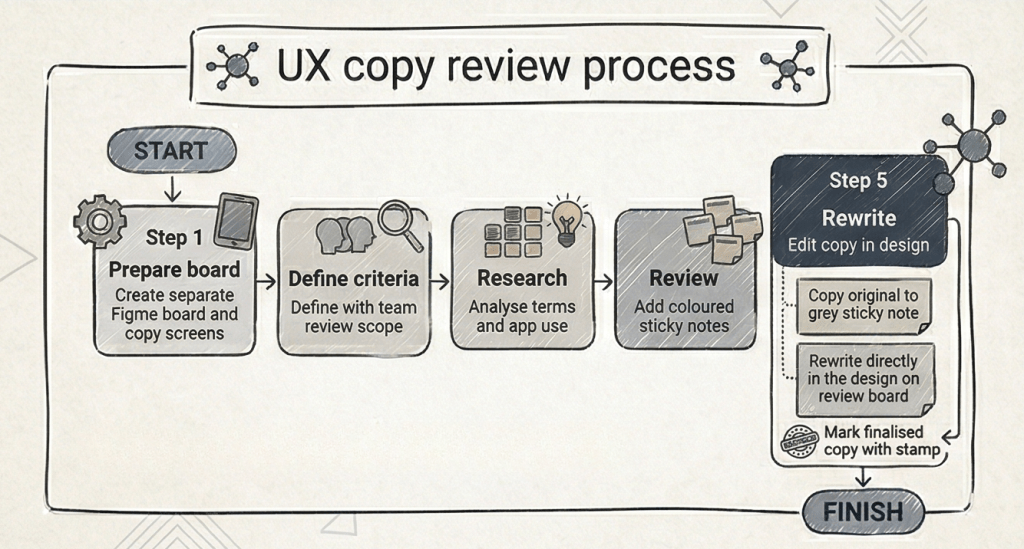
I kick off the UX copy review process by defining the review criteria with product managers and designers. Then, I scope the work by clarifying exactly which screens need a review.
1. Defining the criteria
What do I look for when correcting UX copy? I categorise my review into four main buckets:
Criterion Description Correctness Basic grammar, punctuation, and spelling. House Style Ensuring the copy is consistent with our established brand voice and style guide. Usability The copy might be grammatically correct, but does it help the user navigate the product effectively? Quality Improving the sentence so that it is more readable, clear, and succinct. 2. Research and analysis
Next, I conduct research of the app to get a “bird’s eye view” of the project. What is the intent of the app? What do users want to achieve with it?
I then look into technical terms to gain a better understanding and to ensure the copy conveys the right context.
For example, if I’m reviewing survey tools, I’ll research terms like CSAT or NPS to decide on the correct casing and usage. At this stage, I am doing more analysis than actual writing.
3. The copy review
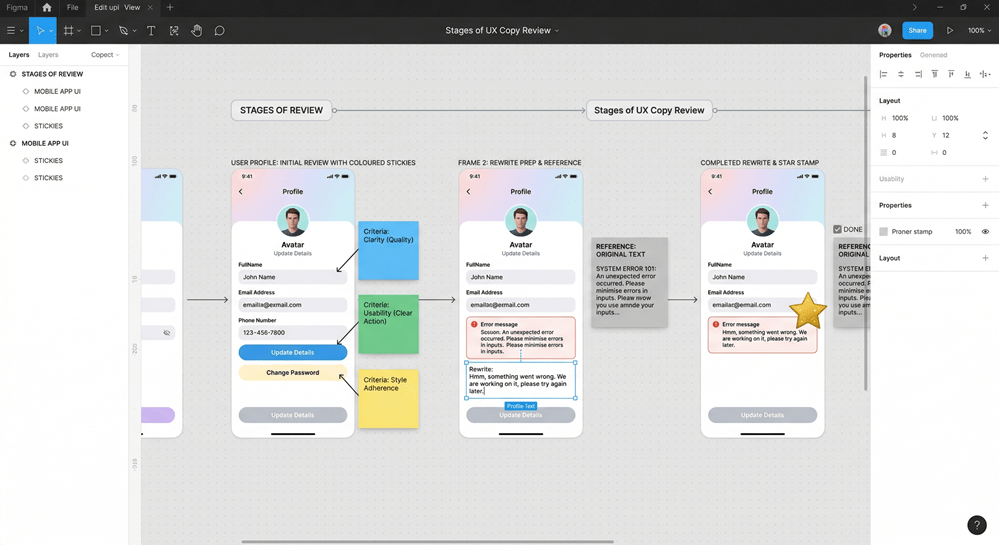
An illustration of how the process looks like on a Figma board.Coloured sticky notes = what needs to be corrected, and under what criteria. Grey sticky notes = original UX Copy. Star stamp = final copy. Once the research is done, I perform the review by placing coloured sticky notes next to the UI elements to highlight changes based on the criteria mentioned above.
4. The rewrite
Finally, I rewrite the copy.
- I copy the original text into a grey sticky note as a reference (our source of truth).
- I rewrite the copy directly in the design.
- I mark it with a stamp to indicate completion.
This makes it easier for designers to see exactly what has been updated and replace their text boxes without any “mind-boggling” transitions between systems.
Final thoughts
I really enjoy crafting processes that account for every team member’s challenges. My main goal was to reduce friction; in Figma, a designer can simply copy a text box and replace it in their design, reducing the margin for error.
Question: What does your copy review process look like?
I am always looking for suggestions to improve this workflow. If you have any ideas that make it easier to implement changes without mistakes, please let me know in the comments!
-
What I learned in Malaysian history class
Malaysian secondary history classes have changed so much, so I am not sure what is being studied now. But during my time, we studied the history of Malaysia (of course), world history, which includes Islamic civilisations, Asia, Europe, and the Americas. We didn’t go in depth with all of them; we just learned their big highlights.
The one thing I remembered about the Islamic civilisations, especially the Persians, is their pioneering work in Mathematics and the Sciences, which included Algebra, which I both loathed and am fascinated with.
We also learned about imperialism, colonial attitudes like the “white man’s burden,” etc. It was something the older generation frowned upon, as they thought we were learning politics. People of my parents’ generation tend to regard the British admiringly.
Being young, I didn’t really understand what was going on. However, as I grew into adulthood, I appreciated this foundation. I expanded my studies deeper into all of this.
Granted, however, I’m a bit of a nerd, and I like to do deep dives on random topics. (One of the deep dives I did was taking a course in the Old Testament survey, studying the history and culture of the Middle East extensively.)
And when I was studying world history in school, being dissatisfied with the Cliff’s Notes version of world history that we were studying, I decided to study on my own and wrote a book about it. (I didn’t publish it, but it was just something I did for fun.)
I must remind myself that not everyone has that interest nor the educational foundation that I had. But I still get frustrated by the assumptions people make about civilizations and countries all the time. In our age of disinformation it’s especially dangerous as people are prone to manipulation this way.
I think if people took the time to understand and learn about the history of various countries, they will gain a better understanding of the motivations of its people. -
Linkblog March 12, 2026: Platform blues

Welcome to my Linkblog where I share interesting articles and blog posts I found about social media, Indieweb, geopolitics, Chinese and Malaysian stuff, cute cat videos or anything funny and interesting I find online.
FYI: I also share links in the “Weekend Tales” of my Substack newsletter, Tai Tales. The newsletter is geared towards Chinese and Malaysian culture.
PS: I felt it was appropriate for this issue to use AI-generated imagery 😉
Something beautiful
Watch this, I promise you it’s worth it.
I wrote about this performance in Chinese New Year, Spring Festival Gala, Flower Deities in Tai Tales recently.
This 5-minute Spring Gala Festival performance had everything I loved about Chinese culture: poetry, dance, beautiful hanfu and CDrama actors. However, one needs lots of context to truly appreciate this performance. I’m here to provide the information about the 12 “flower gods” and the stories of the real historical figures behind them.
Technology
AI ‘slop’ is transforming social media – and a backlash is brewing
AI “slop” is transforming social and there’s a backlash.
Actually I don’t mind if everyone ends up abandoning it and eventually it is just AI interacting with bots.“when I see folks piling on erstwhile friends because they didn’t pass a purity test, it really bums me out, because some opinions being more equal than others is just the kind of ideological inbreeding that invites intellectual entropy.”
First, I absolutely adore the Expanse series. Second, having been on the reception of such purity rages just because I wasn’t pure enough nor do I want or even care about abandoning a platform or tech because it’s evil, a Nazi bar whatever, I appreciate this.
Well, anyway. Pure platforms and tech do not exist. Shaming others for using tech you consider evil is not productive, especially since there’s no black and white in the world.
The puritanical pursuit of platform purity
By yours truly. I noticed cycles of one platform after another being condemned for some societal ill after another. Frankly, it’s exhausting trying to be so “pure” in an age where purity is just an illusion.
Also, I use AI for my work and writing. I still post on Facebook occasionally. Hell, I promote my blog posts on Threads and X sometimes. I don’t care what people say. I am moving beyond the rants and polemics.
I relate to this so much. The internet and the portals that dominate had made life hellish for creatives. That said, being an electrician is soooo cool. I did something like this in my mid thirties when I got so disillusioned with my journalism/writing career that I turned to nursing. While it didn’t work out it made me realise that going all in as a creative, making my art support my life isn’t for me. Now I work in tech and it supports my writing and I am happy.
-
The Writing Community’s AI Panic

Another day, another storm in the writing community teacup!
The storm, this New York Times article: The New Fabio is Claude
TL;DR: Coral Hart uses AI to generate 200 books a year. This has made many writers mad, mad, mad.
(Somewhere in a glistening office tower is a very satisfied editor – the ragebait has worked as the article is widely discussed everywhere. KPI met!)
Coral Hart is just the newest “outrage” in a long list of “outrages” for writers.
If you’re as much of a social media hermit as I am, you’re probably unaware that the fiction writing community is currently being torn apart by those who use AI to write and those who aren’t.
I won’t go deep into the arguments for or against writers like Coral Hart right now, as this article is more about the writing community than AI and the answers are just a Google away.
Also, when I’m talking about the writing community, I’m talking about the online writing community that writes in English. They often come from countries such as the United States, Europe, and to a degree, Australia and New Zealand.
I personally do not know how the Malaysian fiction writing community is reacting to AI as I have limited contact with the community at large. (That’s another long story.)
How I reacted when AI became a thing
Like most writers, I was also resentful and upset, especially about the idea that our writing has been used to train AI without our permission.
But I’m a realist because I work in tech, and I have a realistic view of the technology. I have used AI for quite some time, even before ChatGPT became a thing.
Over time, my perspective changed as I found out how the technology worked, and calmed down. I am even experimenting with using AI to assist me when I write fiction.
Here’s the harsh truth: Either a writer is willing to adapt or they are not. Those who refuse will end up being behind, as they won’t be able to reap the benefits that AI gives a writer.
When you’re a working writer, you gotta face industry realities
On a practical level, at work, AI has been invaluable in helping me learn concepts faster. I’ve also created agents and accelerated my writing workflows because of it.
A powerful AI search bot on a knowledge base with rich data has been game-changing for me as well. (No more begging for stuff from colleagues and waiting for days to receive them!)
AI is also discussed in societies differently. In the West, doomerism prevails. In the East, especially China, there’s lots of optimism and it is now actively used in smart factories and hospitals. There are different types of AI, and LLMs are just one of them, so for the purpose of this article I’ll be focusing on LLMs.
These regional cultural attitudes will affect how AI is received in writing communities.
At the end of the day, AI is just technology—neither inherently good nor bad.
Writing communities have always been prone to toxicity; AI is just the newest trigger

The online writing community on a good day. To be honest, the fiction writing community has always been toxic to me. Even in Malaysia.
They’re always squabbling and attacking each other for one reason or another. During the early days of indie publishing, traditionally published authors sniffed at indie published authors, saying they’re not real writers. Now, it’s writers who are using AI assistance that are “not real writers”.
I’m not sure what it is about the writing craft and why its communities are like that. I have a theory that this is because writing, as a craft, is so closely tied to one’s ego. So, anything that threatens that makes people go crazy.
I’m a working writer (like, I literally write for media and corporations). I have been writing professionally for decades. Not only has my ego been pulverised by sharp-tongued editors and scathing reviews, I have no time for this shit. I need food on the table, so I need to write, end of story.
I prefer to use my limited free time to practice my craft – write fiction free of the demands of a cash till or boss. I don’t have time to reply or write posts in forums or social media defending my ego or hoping to get some understanding from a community that is often fighting among themselves.
During the early days of indie publishing, traditionally published authors sniffed at indie published authors, saying they’re not real writers. Now, it’s writers who are using AI assistance that are “not real writers”.
One thing I noticed lately, especially on Substack, is that many anti-AI writers have ended up bullying writers who do.
Frankly, I have no idea why people do this. What will that accomplish? How will that improve anything? Their anger should be directed at the tech giants who impose technology without understanding its impact on creatives, or at governments that refuse to regulate.
Honestly, it is not worth arguing with these bullies because they are too fearful of a technology they do not understand. The right thing to do is to block them because your energy is precious—you need to use it to create, not engage with people who refuse to do their own research and dare to experiment with this technology to truly understand what it means.
Unless these bullies who come hurling nasty words at you truly understand what AI does, they shouldn’t bully others about it. They only reveal their own lack of knowledge and understanding.
If a writer is hungering for community, especially one that uses AI to support their work, the best thing is to get it from small pockets of like-minded writers. Big is not always better.
The disability perspective
Another common narrative is that AI isn’t solving real problems but creating problems to solve.
For one, and I will continue being annoying about this, I have seen how it helps neurodivergent communities or those with cognitive problems, even in the creative field. Their struggles are valid, even if they aren’t always visible. Let’s not dismiss their problems so quickly just because their issues seem incomprehensible or not real to neurotypicals.
Ethical AI use?
As for writers who use AI, they must decide for themselves how they want to use it.
Sadly, due to the hostility against AI in the fiction writing community, I’ve come to believe it’s not worth announcing that you use AI.
One, writers don’t need validation for the tools we choose.
Two, I find these arguments around AI a bit silly. We’ve been using AI long before LLMs became a thing. People argued that spell checkers weren’t AI, but modern versions definitely are. AI has done a lot for knowledge management, a field I work in and love. It makes knowledge sharing easier and information more accessible.
What we need to discuss
What we really need to discuss are the rampant capitalistic forces that are driving this hype and the safeguards that are sorely needed to protect jobs, creative works, and societal stability.
We need to discuss the production-driven, “we need to write more books faster” culture that is now festering in indie publishing.
We need to come up with a better way to matchmake books and authors with their destined readers.
But no, writers are fighting with each other.
And the powers that be continue with a grin, knowing that their profits are still coming in because the writing community is as divided as ever.
I just know there would be a writer or two who would probably come at me and yell that I’m supporting Coral Hart or all for generating novels with AI due to my Guide to writing fiction with AI, all because I have written such a guide and I’m not raising my pitchfork at Coral.
Which, of course, makes me question the reading comprehension abilities of writers who claim to write professionally, sometimes. I will address my reaction to Coral’s situation, and what I think about generating 200 novels a year in my next post, promise.
-
Linkblog Feb 26, 2026: The Chinese issue

I’ve been using my Mastodon account as a way to share various links around the web that I found. However, social media can be ephmeral, so I thought I will consolidate what I share here in Linkblog issues.
I like curating articles and blog posts about social media, Indieweb, geopolitics, Chinese and Malaysian culture, cute cat videos or anything funny I find online.
I also share links in the “Weekend Tales” of my Substack newsletter, Tai Tales. The newsletter is geared towards Chinese and Malaysian culture.
China and AI
Interesting view. No wonder discussions in English speaking spaces feel uncomfortable. It feels very black and white, ideologically driven. People who dare to stray from the narrative of left- or right- discourse around AI face excommunication.
In Asia, people are more practical about AI, and the discussions, while optimistic, doesn’t eschew the negative aspects of AI.
Chinese New Year, Spring Festival Gala, Flower Deities
The “Celebrating Flower Deities” has everything I love about Chinese culture: dances, poetry, beautiful hanfu, Chinese drama actors…but it also uses AI a lot.
As I said before, discussions around AI in the East does not have the tang of doomerism like in the West. Instead, every industry seemed eager to find ways to in incorporate and use it to improve the industry. The entertainment industry is no different.
Rather than seek to replace humans with AI, the Chinese are asking: How can AI make us produce more, create better?
“The Chinese society, from a world-renowned auteur to the hundreds of millions watching the Gala, is broadly, strikingly optimistic about AI. The reflexive existential dread so pervasive in Western discourse is largely absent.”
I’ve always said, conversations in Asia about AI are different than the West’s. This newsletter proves it.
When I grow too heavy from the doomerism that pervades AI discussions on Western, English social media, I escape to Xiaohongshu where people share their AI short dramas and talk about the latest techniques and developments with LLMs.
China & being Chinese
Diao Daming: the costs of studying China at a distance
Far too true. The inability of viewing China without injecting their own ideals, biases is holding these “China researchers back. On top of that, viewing China as an adversary also limits the possibilities of the relationship.
Why Modern Chinese is Just ‘English with Hanzi’
I remember a time when books opened from left to right, not the way western books are: from right left.
Chinese characters were also written top to bottom, columns are from right to left.
It’s now in the Western style.
I can’t remember when it changed 🤔
Chinese Room Syndrome: a cautionary tale on becoming chinese
“Real Chinese people will continue to be Chinese. They’ll bear the consequences of appearing Chinese as Western narratives continue to dominate and restructure the way China is perceived.”
For the life of my I don’t understand this trend. I wrote about this in Tai Tales as well: Weekend Tales #12: Please don’t be Chinese at this time of your life
Funny stuff
Jimmy O thinks Malaysian Cantonese is weird.
Wait till you hear Malaysian Hokkien. 👇We have so many varieties of it in Malaysia alone we misunderstand each other all the time.
-
Matt Chung: Building communities – one post at a time
In a digital world often defined by outrage, impatience, and keyboard warriors, Matt Chung stands out: not for being loud, but for choosing kindness.
By day, Matt focuses on RubyCoded, a company he co-founded together with his friend, Jenxi, over 10-years ago. But outside of daily work, he’s quietly building something with a human touch: thriving local communities, one thoughtful post at a time.
Matt’s story shows that you don’t always need funding, a big team, or a perfect plan to make an impact. You just need clarity of purpose, consistency, and care.
The accidental community builder
It all began in April 2023, when Matthew stumbled upon a fledgling Facebook group, Remote Work Malaysia, a network for Malaysians working remotely.
Intrigued, he reached out to the founder and said, “Let’s try and get this off the ground together.”
That collaboration grew into a vibrant national community and it sparked something in him.
But it was his love of food and his knack for discovering hidden gems that led to his most impactful project yet.
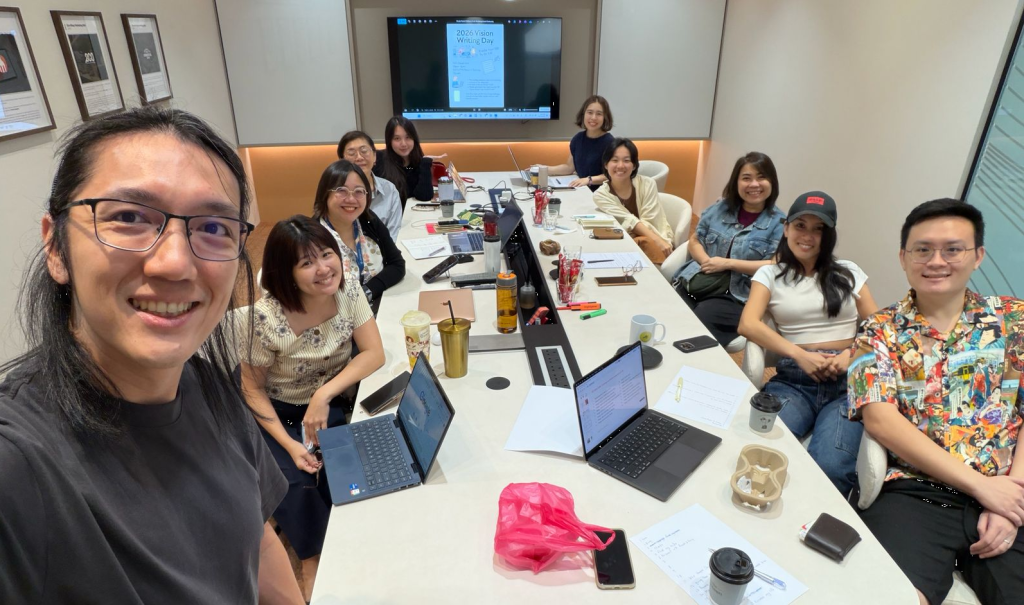
Matt at a recent community event he organised The birth of Subang Jaya & USJ Food Discovery
October 2023 – Matt launched the Subang Jaya & USJ Food Discovery Facebook group. The idea was simple: share great local eats in Subang Jaya and UEP Subang Jaya (USJ).
“I assumed everybody knew all the places,” he says. “But the more I shared, the more I realized that actually, a lot of people didn’t know; even though we all live in the same city.”
Despite Subang Jaya and USJ’s density, many residents were unaware of excellent eateries just minutes from their homes. Matt began posting his finds casually among friends. When those recommendations sparked enthusiastic conversations, he decided to create a dedicated space.
He chose Facebook not because it was ideal, but because it was accessible.
“I’m not that smart,” he jokes. “Facebook was a platform I already knew how to use. I barely use Instagram or TikTok. I haven’t found the time.”
Crucially, Matt decided not to make the group private, which he initially thought of doing to avoid spam.
He realised that “Once you go private, you can’t go back and it kills growth.”*
So, Matt kept it public but with him approving each post, which enabled him to strike a balance between openness and control.
Building culture, not just growth
Growth came quickly, but Matt cared less about numbers and more about culture.
“The point isn’t to have a big group,” he explains. “It’s to have a good group.”
From day one, he enforced a strict standard of politeness.
Every new member’s first post is manually approved. The rules are clear: be courteous, even when sharing criticism.
“If you don’t like the food, that’s fine,” he says. “But say it politely. You don’t need to declare, ‘This business should close!’ Just because you didn’t enjoy it doesn’t mean others won’t.”
He describes his moderation style as a “benevolent dictatorship”—not democratic, but deeply intentional. “It’s not the only way, but it’s the way that works for a community of this size.”
And it works. Today, the group is known for its unusually civil tone—a rarity in Malaysian Facebook spaces, where food debates often spiral into personal attacks.
Members help enforce norms: if someone crosses a line, others flag it. “They know I’ll take action,” Matt says, “so we police ourselves together.”
The hidden labour of community
Behind the scenes, was the unseen effort. Matt spends two to three hours daily moderating: approving posts, deleting violations, replying to messages, and diffusing tensions.
“Most people think running a Facebook group takes no time,” he says. “But from the moment I wake up until I sleep, I’m checking in every half hour or so.”
This commitment is why he’s working to make it financially sustainable because he wants it to be viable.
“If you really care about your project, you must make it sustainable,” he insists. “That means covering your time and expenses.”
He now offers paid promotion services for local businesses—not as a cash grab, but as a filter.
“If a new café opens and no one knows about it, it might close before we even get to try it. I don’t want that.”
Charging ensures only serious, respectful businesses engage, protecting the group’s integrity while supporting local entrepreneurs.
Real-world impact: From online to offline
The community’s success isn’t just digital. In 2024, Matt organized two in-person food gatherings.
The result was surprising and heartwarming. Neighbours who’d lived streets apart for years met for the first time.
“A lot of them told me, ‘We should do this again!’” Matt recalls. “But what made me happiest was hearing that people had discovered their own neighbours through the event. That’s what community is about.”
A vision for Subang Jaya
Now, Matt has just launched his third initiative: HeySubang,a broader platform to promote places, activities and events to bring together the community in Subang Jaya such as libraries, recycling, walking groups, family activities, and more.
Why? Because he’s a father. His son is almost eight and likely to spend the next decade in Subang Jaya.
“If he’s going to be here for the next 10 years, I want Subang Jaya to continue to improve—so he has a healthier, better place to grow up in,” he says.
A message for aspiring builders
His advice to those dreaming of starting something?
“Think about what you’re obsessed with, and scratch that itch that dominates your thoughts. Build something you’ll want to improve and refine every day.”
Being consistent showing up every day, for people can carry you far.
Because in the end, as Matt proves, the most revolutionary thing you can build isn’t a product—it’s a place where people feel seen, respected, and connected.
And sometimes, all it takes is one person willing to say: “Let’s try and get this off the ground together.”
You can find Matt’s communities, Subang Jaya and USJ Food Discovery, and The Subang Community on the HeySubang website, a portal he had created and continues to refine for the community.
-
Sometimes things disappear and reappear mysteriously in my life … and I’m kinda freaked out by it

I swear to you, I’m not into woo-woo stuff.
But the oddest thing happened to me today. And this is not the first time such a thing has happened to me.
Basically, I’ve had things reappear in my life as mysteriously as they disappeared.
Emphasis on mysterious: There is usually no logical explanation how these things could’ve disappeared.
There’s also no explanation how these things reappeared in my life.
Also,they always reappear far away from the places where I lost them.
Fortunately, it is not always, or I’ll seriously question my sanity.
Today for the third time in my life, an object mysteriously reappears weeks after I lost it, far from the original place I lost it.

Subscribe to continue reading
Subscribe to get access to the rest of this post and other subscriber-only content.
-
Is it me, or is it just more difficult to find good fiction these days?

This may seem like a clickbait title, but I really wonder if this is a trend because I saw a book blogger ranting that she’s fed up with books being released today and she’s going back to read classic fiction and finding more satisfaction there.
It’s kinda me too. 🤔Currently, I am reading (extremely slowly), Strange Tales from the Chinese Studio, written centuries ago during the end of China’s Ming dynasty.
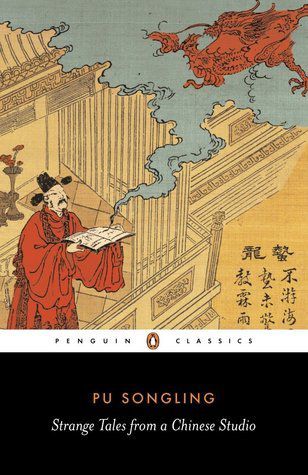
I am also reading more and more badly translated Chinese webnovels 😆. Not from official publishers but from platforms like Novel Updates.
I’d much rather read these than polished, English fiction from known publishers or indie writers.
Every time I think about trying to find something new to read, I sigh and just walk away from the digital shelves of Amazon or Goodreads.
I think part of this is also due to the realization that I have spent decades reading literature from another culture (Western) and have ignored mine (Chinese). So, Sci Fi, regency romances – my favourite “kick back and relax fiction” – no longer hold the same appeal.
I don’t think this is due to people writing shittier books these days.
I am sure there are good books that are written by modern writers still.
I think it’s a noise problem. It’s increasingly difficult to find books that will resonate with you.
This is partly due to the enshittification of platforms that we had relied on to find recommendations.Amazon is overrun by AI-generated books. The mainstream publishers are playing it safe, publishing books with tropes that sell. They don’t stray from the proven formulas because they want profits.
Indie writers with deep pockets for advertising are drowning out writers who don’t have deep pockets.
To top it all off, search engines are also enshittiffied.
I am not familiar with Book Tock, but I believe they are often pursued by indie authors and mainstream publishers to promote their books. The loudest and most persistent (and yes, richest) will win.
I personally find myself exhausted with the pursuit of trying to find a good book so I’ve retreated to the classics because their worth have been proven ages ago.
So, have books published gotten shittier, or are good fiction just harder to find now?
-
Hong Kong Wang Fuk Court Fire: Thoughts & links

When I first saw news about the fire, I actually thought the building was just under construction. Meaning, it was being built, uninhabited, the like.
In Malaysia, buildings only look like this if it’s being built. My apartment, which is considered old, once had a repainting job done. There were no scaffolding or netting when painting was being done. Come to think of it, I had no idea how the renovation folks did the repainting job.
Like UK’s Grenfell disaster, Hong Kong’s Wang Fuk Court had flammable materials on the outside of the building that created a “chimney” effect that allowed the fire to spread quickly upwards. Strong winds also made the fire jump from building to building.
Many on Chinese social media said that the buildings were covered in this green plastic netting and bamboo scaffolding for a year. On top of that the windows were blocked with foam for that long. Doesn’t that mean the residents lived in darkness for a year?
The scaffolding is said to be blamed for the quick spread of the fire. However, arguments are breaking out on Chinese social media, with some folks defending the use of bamboo as scaffolding, and saying that’s not the true source of the fire. But this is when I found out that Hong Kong has a bamboo association/lobby??
At first I thought it was rather extreme that three members of the building/engineering teams were arrested. Now I think more should’ve been taken in. Just who allowed this negligence and fire hazard?
To be honest, I’m not sure why I’m so affected by this tragedy. Perhaps it’s because, like most Malaysians, I live in a multi-storey building (though only four storeys). Perhaps I just can’t believe this tragedy could even happen, at such scale.
… the incident raises questions about the fire resistance of materials used in building exteriors. It is suspected that some of the materials on the exterior walls of the high-rise buildings did not meet current fire resistance standards, enabling the fire to spread unusually fast. This calls for an urgent review and, if necessary, a tightening and enforcing of building codes to ensure that all major materials used in construction are noncombustible and can withstand high temperatures. – China Daily
China Daily has a “live” reporting page for the tragedy.
Reactions from mainlanders
On social media, folks on the mainland are grieving along with the Hong Kongers, with many donating to help them. However, on social media I see many expressing confusion and shock over the green netting and bamboo scaffolding.
Apparently, on the mainland they use steel scaffolding and some kind of flame retardant covering. Although some areas of China do use bamboo and that green netting, it’s not as widespread as in Hong Kong. However, as these are social media posts, we have to only make assumptions and cannot take this as 100% truth.

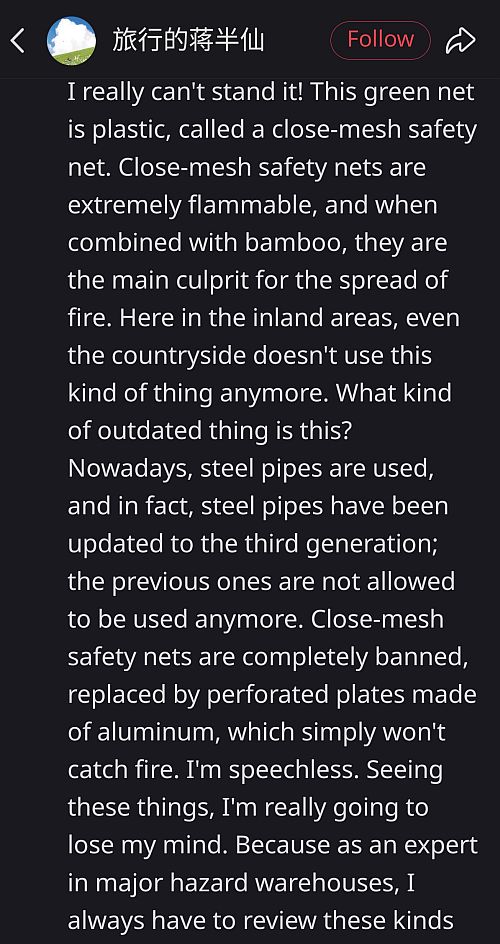
Lax safety standards to blame?
Veteran social commentator Fung Hei Kin summed up the popular opinion among Hong Kongers in a Facebook post on Nov 27 that quickly drew more than 11,000 reactions and over 1,600 shares.
“The unscrupulousness of contractors, negligence of supervising engineers, the complacency of government departments, and the careless discarding of cigarette butts by unknown individuals – these layers of societal degradation are the root causes of the tragic disaster at Wang Fuk Court,” he wrote.
Hong Kong’s construction industry has often made the news for its black sheep – be it contractors turning a blind eye to substandard work and materials for bribes, or site supervisors displaying a blatant disregard for regulations. – Straits Times
Malaysia’s fire department sends condolences to fallen HK firefighter
Really touched that the Malaysian fire department is mourning the death of the Hong Kong firefighter who died rescuing people from the Wong Fuk Courts 🙏

South China Morning Post publishes an obituary for Ho Wai-Ho.
A reaction from someone who lives in Hong Kong
Post on Mastodon:
-
How to use Notebook Navigator (Obsidian Community plug-in)
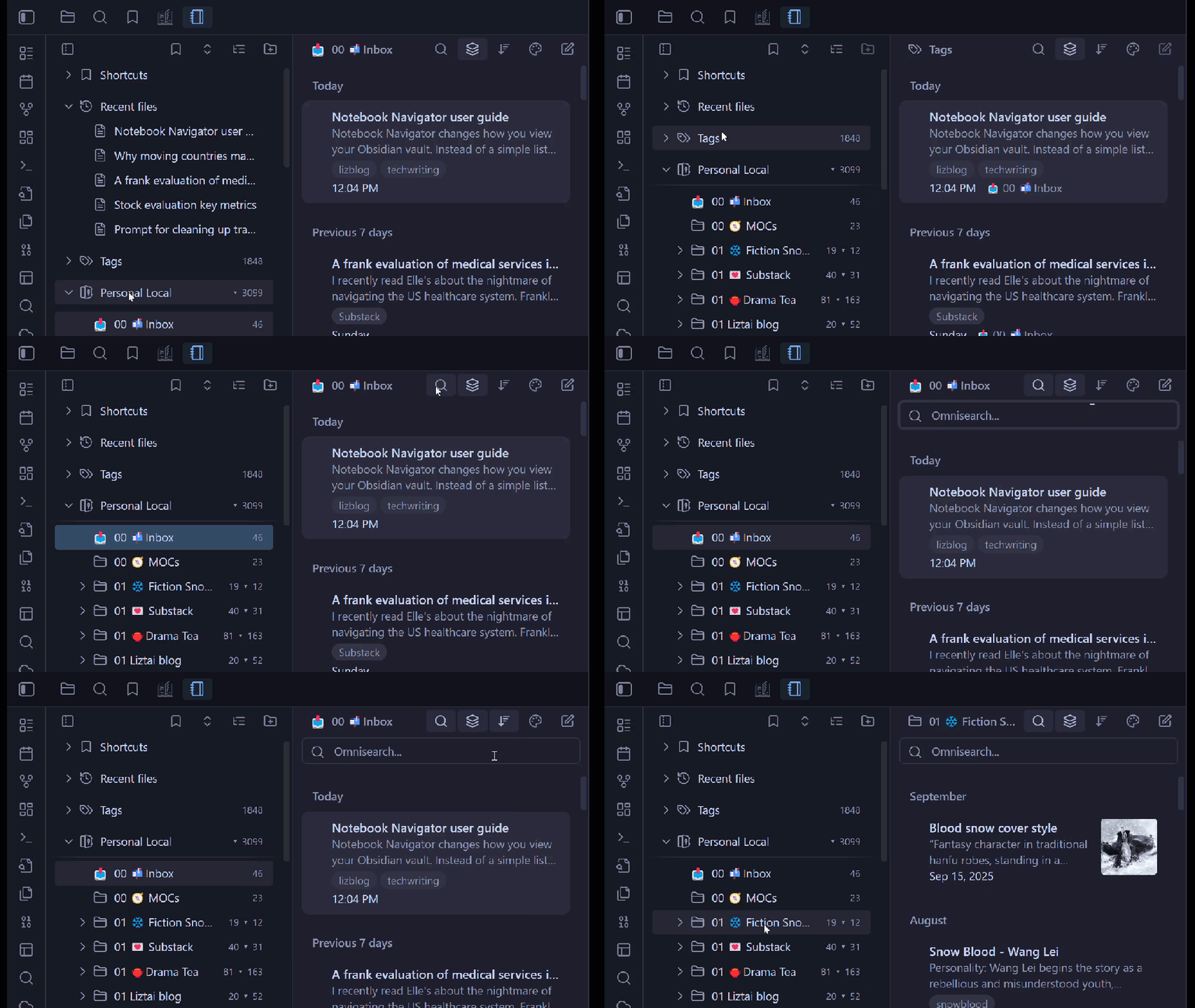
I love Obsidian and am ever so grateful for the Obsidian community’s contributions to make a great software even greater.
While I was learning how to use Notebook Navigator, a fantastic community plug-in by Johan Sanneblad, I took notes.
I’m actually a technical writer by trade. So, I thought it would be a great idea to share a simple Notebook Navigator users’ guide for users who want a quick and easy way to get started with the plug-in.
This document is a work-in-progress. However, what’s available will quickly help you get started with Notebook Navigator.
PS: I’m open to suggestions for improvement (do leave a comment below).
Table of contents
- Notebook Navigator: Overview
- Quick start guide
- Notebook Navigator: The User Guides
- Getting to know Notebook Navigator’s toolbar buttons
- Switching from “list” to “card” view
- How to pin your favourite notes
- How to add a shortcut to your notes or folders
- Using Tags and Folders
- Changing icons and colour-coding your folders and notes
- How to manually sort your notes
- Searching inside a specific folder
- FAQ
Notebook Navigator: Overview
Notebook Navigator changes how you view your Obsidian vault. Instead of a simple list of folders and file, it gives you a visual, two-pane interface similar to apps like Apple Notes or Evernote.
Why use it?
- Visual browsing: See the first few lines of your notes (and even images) before you open them. This makes finding the right note easier than just reading filenames.
- Better organization: Navigate using Folders OR Tags side-by-side. You can colour-code your folders and add icons to make them stand out.
How Notebook Navigator improves on the standard Obsidian file view:
- Pin any note, folder, or tag to the top of the list for instant access.
- Preview the first few lines of text for each note, so you know what is inside without opening it.
- Display images on your note cards, turning your list into a visual gallery.
- Folders and Tags are brought together in one sidebar for ease of navigation.
- Search inside a specific folder.
- Colour-code and assign custom icons to notes to make them stand out visually.
- Drag and drop a note in the order you want.
Quick start guide
Follow these steps to get Notebook Navigator running in under 5 minutes.
1. Installing Notebook Navigator
- Open Obsidian settings > Community Plugins. Turn off “Restricted Mode” if it is on. (See Toolbar buttons guide for more information.)
- Click Browse and search for “Notebook Navigator”.
- Click Install and then Enable.
2. Activating the Navigator
Once enabled, you will see a new “Notebook” icon in your left ribbon sidebar.
- Click the icon to open the Notebook Navigator view.
- It will replace your standard file explorer with the new two-pane view.
Tip: If you don’t see the two-pane view, widen the left sidebar.
Basic setup tips
- Adjust the view: You can drag the divider line between the folders and the note list to see more text.
- Pin important items: Right-click any important folder or tag and select Pin. This keeps it at the top of your list for quick access.
- Keyboard navigation: You don’t need a mouse. Use your Arrow Keys to move up and down. Press Tab to switch between the folder list and the note list.
Next steps:
- Get to know Notebook Navigator’s toolbar buttons.
- Read the User Guides to really master the key features of Notebook Navigator.
- Read the FAQs to get your answers to commonly asked questions.
Notebook Navigator: The User Guides
The following guides will help you understand how to use Notebook Navigator’s features.
Getting to know Notebook Navigator’s toolbar buttons
ℹ️ You can choose which buttons will appear on the toolbar. Go to Obsidian’s Settings and scroll down to the Community plug-ins section. Then, click Notebook Navigator > General and scroll down to Toolbar buttons. Just click on the icons to select or deselect the icons.
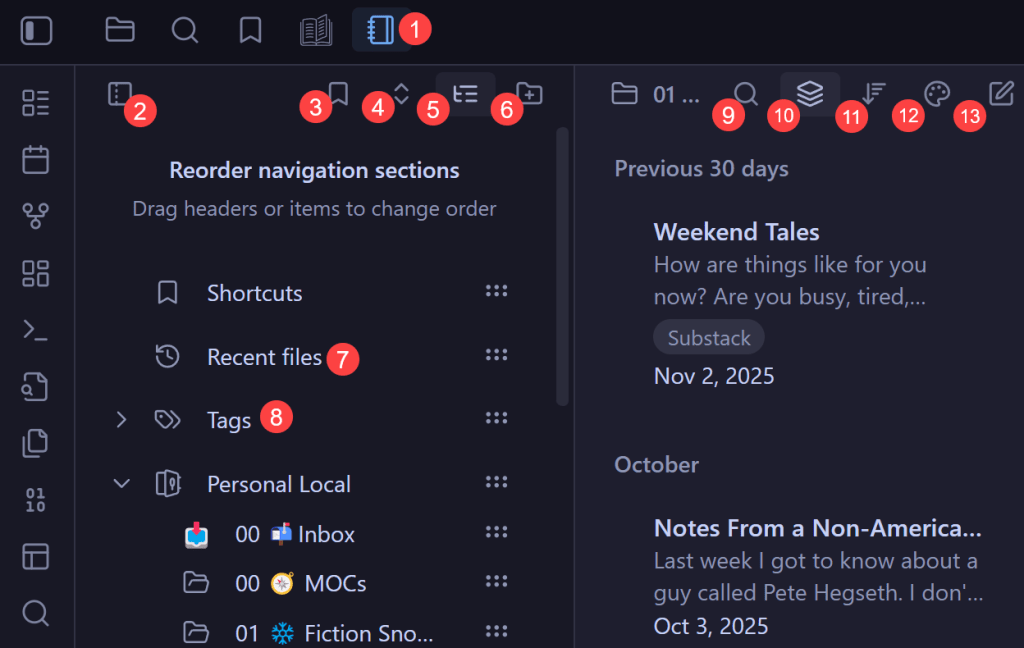
The Navigation Pane menu
This is the narrow column on the far left where you pick where to look.
- Notebook Navigator button (📒) – By clicking on this you activate the panes.
- Show single pane – Switch to single pane view.
- Shortcuts (⛉): Add the notes you want to access quickly here.
- Collapse items – Minimise file tree
- Reorder root folders and tags (Three Horizontal Lines): Rearrange your items by dragging and dropping them to the order you desire.
- New folder – Add new folder
- Recent files (Clock Icon): This shows a list of the notes you opened most recently. It is great for jumping back into work you were doing yesterday.
- Tags: Navigate via the tags in your vault.
List Pane menu
This pane will show you more information on the items you’ve selected on the navigator menu. You can do the following in the list pane:
- Search (🔍): This searches only the folder or tag you are currently looking at. It does not search your whole computer. Use this to find a specific file quickly within a folder.
- Show notes from subfolders/descendants:
- If ON: You see notes in the current folder plus notes inside any folders underneath it.
- If OFF: You only see notes that are directly inside the current folder. Change sort order: Reorder the list pane results according to your preferences.
- Change sort order: Sort from date created, date edited, title and more.
- Change appearance: Switch between card view and list view.
- Create new note
The right-click menu
When you right-click on a note/file, folder, or tag, you get a special menu.
(ℹ️To select a note, you need to click on the folder in the navigation pane, then right click on the note on the list pane.)
Here are the most useful options:
- Pin note: Pins the note so that it’ll be at the top of the list pane when the folder it’s in is selected.
- Add to shortcuts: Add the note to shortcuts.
- Change color: Lets you highlight a folder name with a specific color (like Red for urgent or Green for personal).
- Change icon: Lets you replace the standard folder icon with an emoji or symbol (like a house icon for your “Home” folder).
Switching from “list” to “card” view
⚠️ Pre-requisites: If you want to see images on these cards, install the “Featured Image” plugin from the Obsidian community store.
By default, files can be viewed as cards. Here is how to change them into a list.
- On the second pane, click on the paint palette icon.
- Click Slim.
- To change back to the card view, click on the paint palette icon (🎨) > Default.
You can select the card or “slim” list view as the default view in Notebook Navigator’s settings.
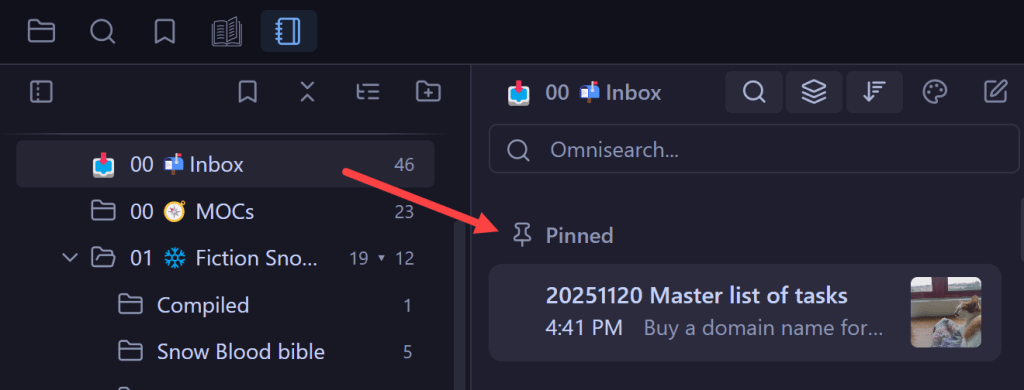
How to pin your favourite notes
Stop searching for the same note over and over again. Pin it to the top of the list pane each time you click on the folder.
ℹ️ You can pin more than one note.
- Right click at the note.
- Select Pin note.
- Look at the very top of the second pane on the left. You will see a pin icon. Your pinned items are below it.
The pinned note appears at the folder level. Let’s say the note belongs to a folder called “Inbox”. To see the pinned note, click on the Inbox folder at the navigation pane. The pinned note will appear on the list pane on the right.
How to add a shortcut to your notes or folders
- Right click at the note or folder.
- Select Add to shortcuts.
- Your notes or folder will now be below the Shortcuts icon on the navigator pane for quick access.
Using Tags and Folders
Notebook Navigator puts your Folders and Tags in the same menu. This helps you organize notes quickly.
To Browse: Click a folder to see files by location. Click a Tag to see files by tags.
To tag a note
- Click and hold a note card from the right side.
- Drag the note over to a Tag in the left sidebar.
- Drop it.
The note now has that tag added to it automatically!
Alternatively, just select the note and click on the tag icon or right click and select Add tag.
Changing icons and colour-coding your folders and notes
Make your important folders stand out instantly with colours and icons.
- Right-click on any Folder, Note or Tag in the left sidebar.
- To change color: Select Change Color. Pick a color (like Red for “Urgent”).
- To change icon: Select Change Icon. Type a word like “Home” or “Work” to find a matching symbol.
How to manually sort your notes
Sometimes you don’t want notes or folders sorted by date. You want them in a specific order.
- Click the Reorder icon at the top of the navigator pane.
- Click and hold any note or folder.
- Drag it up or down to place it exactly where you want it.
Searching inside a specific folder
⚠️ Pre-requisite: Installed the “Omnisearch” plug-in.
If you type in the main Obsidian search bar, you get results from everywhere. Here is how to search just one area.
- Click the Folder or Tag you want to search (e.g., “Recipes”).
- On the list pane, click the magnifying glass icon.
- Type your search query (e.g., “Chicken”).
- The list will only show notes inside the folder that matches your query.
FAQ
What are the recommended community plug-ins to extend Notebook Navigator’s features?
Notebook Navigator works great on its own, but these three additional plugins make it even better. Installing them is optional but recommended.
Tip: If you’re unsure how to install community plug-ins, please read Obsidian’s documentation on community plug-ins.
Style Settings
- What it does: Allows you to change the look of Notebook Navigator without writing code.
- Why you need it: You can change font sizes, background colors, and hide elements you don’t use to make the interface cleaner.
Featured Image
- What it does: Automatically finds the first image inside your note and creates a small thumbnail cover.
- Why you need it: It turns your note list into a visual gallery.
Omnisearch
- What it does: A powerful search engine for your notes.
- Why you need it: Notebook Navigator connects to this plugin to let you search the contents of your notes (not just the titles) directly from the navigator bar.
Why aren’t images showing up on my cards?
- Ensure you have the Featured Image plugin installed and enabled.
- Check that your note actually contains an image.
How do I customize Notebook Navigator?
Go to Obsidian’s settings > Notebook Navigator. There, you have the option to customize:
- Navigation pane
- List pane
- Menu buttons
- Folders & tags
- Notes
- Set hotkeys and search options
How do I add images to my note cards in the list pane?
If your note cards look plain, you can add cover images automatically.
⚠️ Pre-requisite: Installed the Featured Image community plugin.
- Go to Obsidian’s Settings > Notebook Navigator > Notes
- Turn on “Show Feature Image”.
Now, the first image inside any note will automatically appear as a thumbnail on its card in the list.

-
Subscribe
Subscribed
Have a WordPress.com account? Log in now.

